

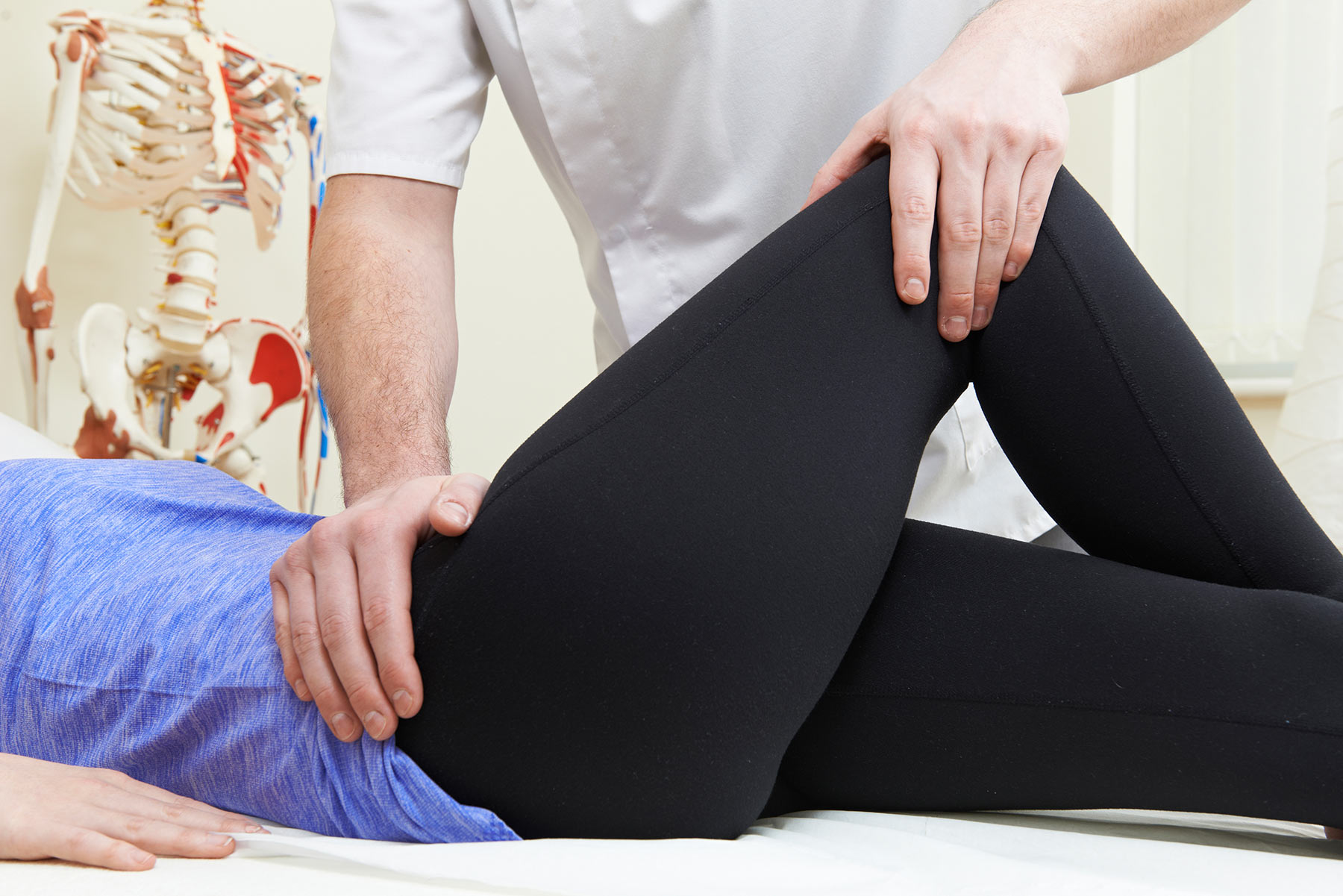
Hip replacement surgery can be a turning point. For many people, it brings meaningful pain relief and the chance to get back to activities that had slowly slipped away.
One thing we hear fairly often, though, is the belief that physiotherapy isn’t really needed before or after surgery—that the body will naturally “figure it out” as healing happens.
Sometimes that does work out. At Zoomers Physiotherapy, we often meet people a couple of months after surgery who expected to feel further along than they do. The joint pain may be better, but they still feel weak, a bit unsteady, or not quite ready to return to the activities they had in mind.
In many of those situations, a bit of structured physiotherapy earlier in the process could have made recovery smoother.
Why Preparing Before Surgery Helps
A hip replacement changes the joint itself, but it doesn’t replace the muscles and soft tissues that support it. The strength, flexibility, and balance you bring into surgery are largely what you have to work with afterward. The challenge is that hip pain often causes people to move less in the months leading up to surgery. When that happens, muscles weaken, balance can decline, and overall conditioning drops. By the time surgery arrives, the body may already be starting from a bit of a deficit. Pre-surgery physiotherapy —often called prehabilitation—focuses on keeping the surrounding muscles strong and mobile before the procedure. Even small improvements in strength and stability ahead of time can make the early stages of recovery feel more manageable.
What Happens After Surgery
After surgery, most people are given a set of basic exercises. These are important, especially for restoring movement in the new joint. But in many cases they don’t fully address the next phase of recovery: rebuilding strength, improving balance, and retraining how the body moves. Without that step, it’s common for people to notice things like:
- Ongoing weakness around the hip
- Reduced balance or confidence when walking
- Difficulty returning to more active hobbies
- Movement habits that shift strain into the back, knee, or other areas
- Post-surgical physiotherapy helps bridge that gap. The focus gradually shifts from simple movement to rebuilding strength, restoring normal walking patterns, improving balance, and helping people return to the activities they enjoy.
Recovery Is About More Than the New Joint
A hip replacement replaces the joint surfaces, but strength, coordination, and endurance still need to be rebuilt. If the goal is simply to move comfortably around the house, many people manage reasonably well with minimal support. But if the goal is to return to things like gardening, golf, travel, hiking, or playing with grandchildren, a structured rehabilitation plan can make a noticeable difference. Every recovery looks a little different, which is why individualized guidance can be helpful along the way.
Moving Forward With Confidence
Whether you’re preparing for surgery or feeling stuck partway through recovery, physiotherapy can provide a roadmap for the next steps.
With the right exercises and guidance, it’s possible to rebuild strength, regain confidence in movement, and get back to the activities that make life feel full again.
If you’re navigating hip replacement surgery—or expecting to in the future—the team at Zoomers Physiotherapy is always happy to help guide you through the process and support your recovery.
Because the goal isn’t just a new joint. It’s getting back to the life you want to live!
Book an assessment with us
Use our online booking tool to find a time that works for you!

