

Book an assessment with Zoomers now!
Use our online booking tool to find a time that works for you!
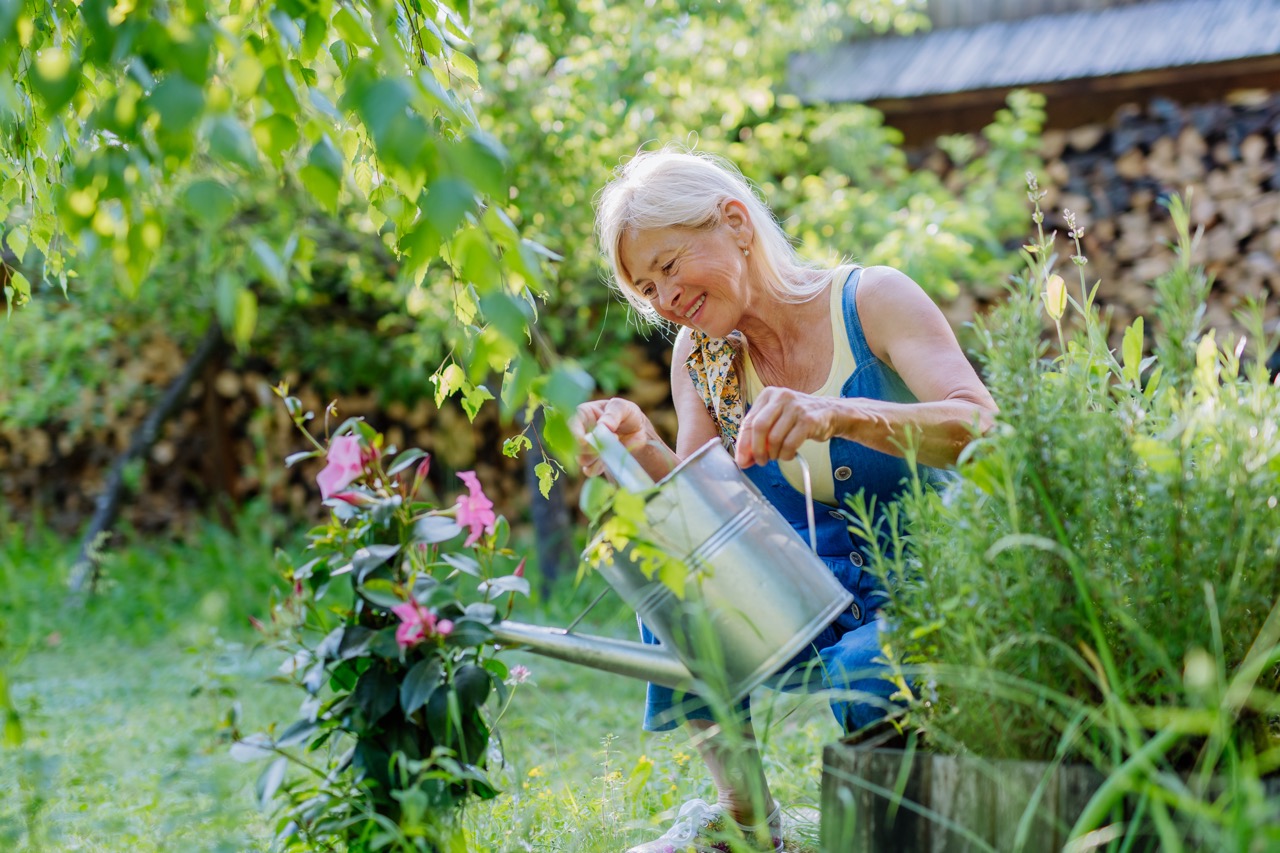
Spring is in the air and soon (if not already!) many seniors will be heading outside to tend to their gardens. Most gardeners get out there for the love of it and may not realize all the health benefits they are also reaping! In addition to the natural mood boost that comes with fresh air and enjoyable activity, gardening can also improve heart health, muscle strength, mobility, balance and even brain function (cognitive health). However, as a result of the challenge to these systems, the body can also undergo significant stress during gardening and injuries certainly do occur.
As a physiotherapist, I’ve seen clients with both acute (sudden stress) and overuse (stress over time) gardening injuries. These issues have ranged from sprained ankles to sore elbows and everything in between. Acute injuries are often due to unexpected falls or flying debris. Prevention is key for these injuries. Proper footwear and eye protection can go a long way to reducing the injury risk.
When it comes to overuse injuries gardeners commonly experience tightness and soreness in their neck, back, shoulders, elbows and wrists from the sudden return to gardening with spring-fueled enthusiasm! Thankfully, these are the more common issues and are somewhat easier to prevent when gardeners treat gardening like a sport! Just like in any sport, there are injury prevention strategies that can help. These strategies include:
- Proper warm-up
- Proper cool-down
- Pacing activity
- Using the right technique
- Using the right tools
Gardening Warm-Up
Warming up for any activity should include a combination of gradually increasing the heartrate and dynamic stretching for muscle flexibility. A 5-10 minute walk can gradually stimulate the heart to work harder and pump the blood to all the muscles throughout the body. For gardeners, this could include a walk around the property/garden a couple of times to survey the area and plan the day before getting started
Dynamic stretching means moving the body through exaggerated positions of the movements required for the activity. For gardeners, this could include movements like:
- Neck Rotations: Gently turning the head from left to right and back again, while standing in an upright position loosens up the neck muscles.
- Arm Raises: Lifting the arms up overhead by going up and out to the sides and also lifting straight out in front of the body loosens up the shoulders and upper back muscles.
- Squats: Moving up and down out of squat position (while keeping the heels down) loosens up the lower back, hip, knee and ankle muscles.
Dynamic stretches are held for 3-5 seconds. The purpose is to move in and out of each position 5-10 times to ensure the body has enough mobility for the gardening activities planned.
Gardening Cool-Down
A post-gardening walk at a light pace for 5-10 minutes circulates blood through the tired muscles; this reduces post-gardening muscle soreness. Any tired muscles will also benefit from specific, prolonged stretching. These stretches are held 20-30 seconds and repeated 2-3 times each. The stretches that will be helpful are based on the work done. It is best to consult a physiotherapist to build a personalized post-gardening stretching program that is both safe and effective.
Pacing Activity
The nature of many gardening activities can lead to prolonged and sustained positions or activities. I always suggest to my gardening clients that they change positions or activities every 15-20 minutes. Pacing activities can reduce strain on soft tissues in the body and helps optimize safety and comfort.
Using the Right Technique
Gardening can involve physically demanding movements such as lifting or carrying heavy items, lunging or squatting and repeated or sustained forward bending. By ensuring that they are moving in ways that use the large muscles of their legs (thighs and buttocks), seniors are less likely to injure the joints in the spine and knees.
Using the Right Tools
Most gardeners have basic tools like rakes, spades and trowels but there are other tools to consider to get the job done more comfortably! Small stools and kneeling pads can reduce knee stress. Long-handled tools can reduce the need for bending over and reduce lower back strain. Wide-gripped hand tools can reduce stress on painful wrists and thumbs. Gardeners would all do well to look at the options and figure out what suits them best to improve their comfort and reduce their risk of injury!
These simple tips can help seniors enjoy gardening more comfortably and for longer stretches of time. Spending time outdoors—soaking up the sunshine, breathing in fresh air, and getting hands into the soil—offers countless health benefits and should be enjoyed by all that want to get out there!
Book an assessment with us
Use our online booking tool to find a time that works for you!

